
Remembering Dhrupad Maestro Ustad Zia Fariduddin Dagar on His 13th Death Anniversary
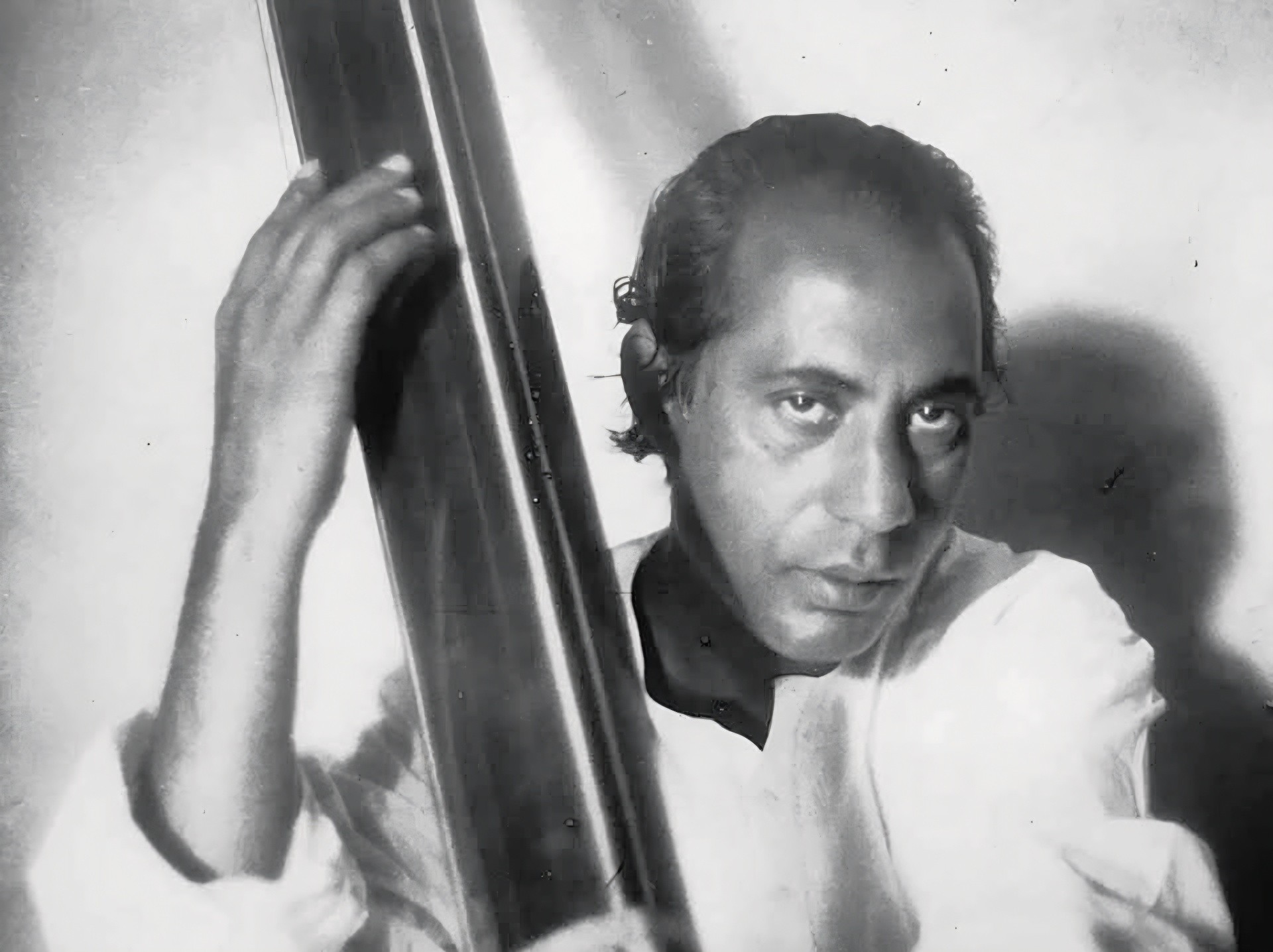
Bhopal/Mumbai, May 8, 2026 – The world of Hindustani classical music today remembers one of its most profound and purist voices – Ustad Zia Fariduddin Dagar – on his 13th death anniversary. The legendary Dhrupad vocalist passed away on May 8, 2013. He was born on June 15, 1932.
A Torchbearer of the 19th Generation
Ustad Zia Fariduddin Dagar was a vocalist of Dhrupad – the oldest existing form of Hindustani classical music. He was an integral part of the illustrious Dagar family, representing the 19th generation of a musical tradition believed to have nurtured Dhrupad for 20 generations.
Born in Udaipur, Rajasthan, he was the son of the great Ustad Ziauddin Khansahib, the court musician of Maharana Bhupal Singh of Udaipur. He received his initial training in Dhrupad vocal and veena from his father. After his father’s demise, he continued his learning under his elder brother, Late Ustad Zia Mohiuddin Dagar, the foremost Rudra veena player of the 20th century.
A Master of Microtones and Gamakas
Ustad Zia Fariduddin Dagar possessed remarkable command over microtones (swara-bheda) and various gamakas. He was celebrated for his gradual, meditative development of alap through vilambit, madhya, and drut laya (slow, medium, and fast tempo).
He was probably the only person in his time capable of demonstrating all five geetis mentioned in the ancient text Sangita Ratnakara:
- Shuddha
- Bhinna
- Gaudi
- Sadharani (known today as Dagarwani)
- Vegasura (popular in South India)
“He was the most influential Dhrupad vocalist in India after the senior Dagar Brothers – Ustads N. Moinuddin and N. Aminuddin Dagar,” musicologists note.
A Global Ambassdor of Dhrupad
By 1980, he had virtually settled in Austria, teaching Dhrupad at the conservatory of Innsbruck and also in France (mainly Paris). He performed extensively across India and abroad, conducting numerous concerts and workshops that popularized Dhrupad worldwide.
The Bhopal Years: Teaching a Generation
During a visit to India, filmmaker Mani Kaul approached him for the background score of his film The Cloud Door (1994). This led to an extended stay in Madhya Pradesh, where cultural secretary Shri Ashok Vajpayee and Chief Minister Shri Arjun Singh proposed a government-supported Dhrupad Gurukul in Bhopal.
Ustad Sahib agreed to return to India and took charge as the Guru at the Dhrupad Kendra, under the Ustad Allauddin Khan Music Academy, Bhopal, where he taught for 25 years.
He also served as distinguished guest faculty at ‘Dhrupad Sansar’, IIT Bombay for five years, a programme started under the Cell for Human Values to foster appreciation of Indian classical arts among staff and students.
In his later years, he stayed and taught at the Dhrupad Gurukul near Panvel, built by his elder brother Ustad Z. M. Dagar, continuing to perform until his brief illness and death.
Notable Students
His disciples include:
- Ritwik Sanyal
- Pushparaj Koshti
- The Gundecha Brothers
- Uday Bhawalkar
- Sombala Satle Kumar
- Marianne Svasek
- Nirmalya Dey
- His nephew Mohi Baha’ud-din
Awards and the Padma Shri Refusal
- 1994 – Awarded the Sangeet Natak Akademi Award in Hindustani Music-Vocal by India’s National Academy of Music, Dance and Drama.
- 2005 – Presented with the Lifetime Achievement Award by the North American Dhrupad Association.
- Received the Tansen Samman from the Madhya Pradesh government.
In 2012, he was conferred the Padma Shri – India’s fourth-highest civilian honor – but he turned it down, stating that the government had not respected his seniority, as much younger Dhrupad singers had been honoured before him.