
Remembering the Revolutionary Dancer Padma Vibhushan Tanjore Balasaraswati on Her 108th Birth Anniversary
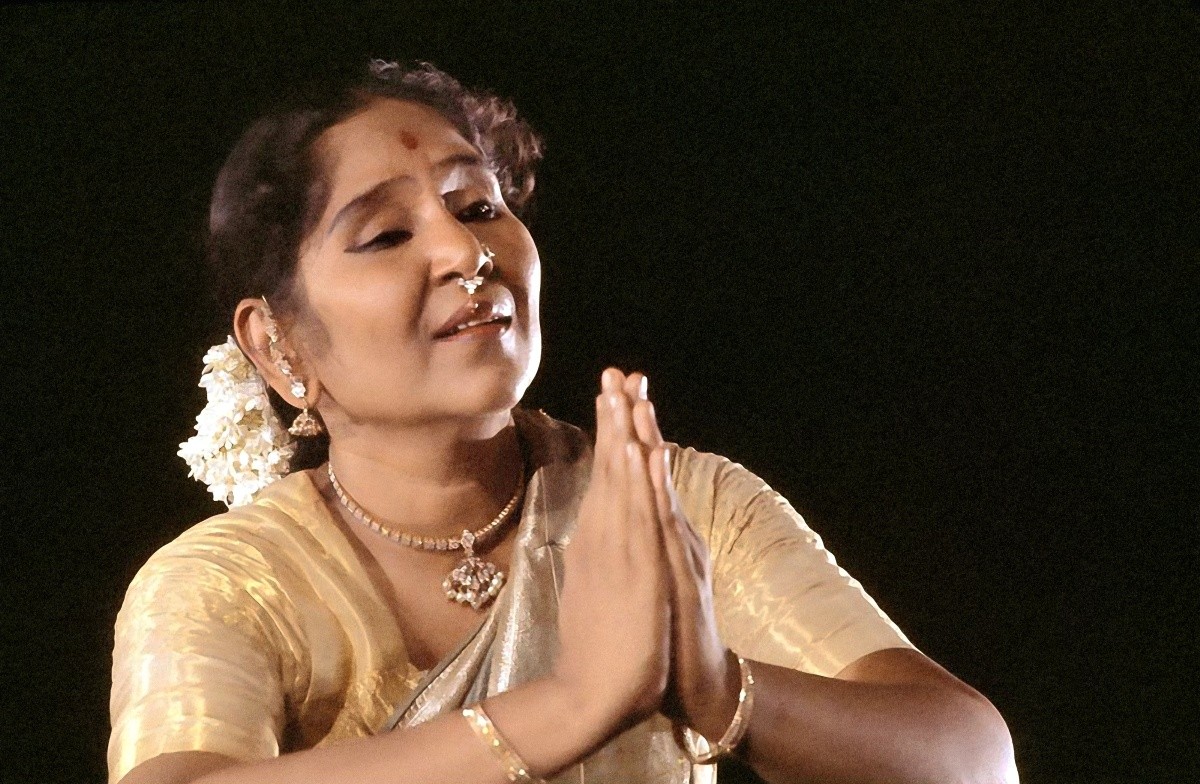
Chennai, May 13, 2026 – The world of Indian classical dance today pays heartfelt homage to the legendary Tanjore Balasaraswati – one of the most celebrated Bharatanatyam dancers of all time – on her 108th birth anniversary. Born on May 13, 1918, in Chennai, she passed away on February 9, 1984, leaving behind an artistic legacy that continues to inspire generations.
A Dancer Who Redefined Bharatanatyam
T. Balasaraswati was a seventh-generation representative of a traditional matrilineal family of temple musicians and dancers (devadasis), who historically enjoyed high social status. Her family has been described as “the greatest single repository of the traditional performing arts of music and dance of the southern region of India” (V.K. Narayana Menon).
- Her ancestor Papammal was a musician and dancer patronized by the Thanjavur court in the mid-18th century.
- Her grandmother, Vina Dhanammal (1867–1938) , is widely regarded as the most influential musician of the early 20th century.
- Her mother, Jayammal (1890–1967) , was a singer who accompanied Balasaraswati and encouraged her training.
She began learning music within the family from infancy, and her rigorous dance training started at the age of four under K. Kandappan Pillai, a distinguished member of the famed Thanjavur Nattuvanar family.
A Revolutionary Career
Balasaraswati made her debut in 1925. She became the first performer of her traditional style outside South India when she performed in Calcutta in 1934. She then embarked on a global career, captivating audiences across the world and earning the respect of dance greats such as Shambhu Maharaj, Dame Margot Fonteyn, Martha Graham, and Merce Cunningham.
“She is one of the supreme performing artists in the world,” wrote Anna Kisselgoff, dance critic of The New York Times, in a 1977 review.
Historic Recognition
Balasaraswati was awarded:
- Padma Bhushan (1957) and Padma Vibhushan (1977) – the third and second highest civilian honours of India.
- President’s Award from the Sangeet Natak Akademi (1955)
- Sangita Kalanidhi from the Madras Music Academy (1973) – South India’s highest award for musicians
- Sangeetha Kalasikhamani from The Indian Fine Arts Society, Chennai (1981)
In 2000, she was the only non‑Western dancer included in the Dance Heritage Coalition’s “America’s Irreplaceable Dance Treasures: The First 100” . India Today magazine also listed her among 100 prominent Indians who shaped the destiny of India.
A Living Legacy
- Her daughter, Lakshmi Knight (1943–2001) , became a distinguished performer of her mother’s style.
- Her grandson, Aniruddha Knight , continues the family tradition today as artistic director of the Bala Music and Dance Association (USA) and the Balasaraswati School of Dance (India).
- Her son‑in‑law, Douglas M. Knight Jr. , wrote her biography with a Guggenheim Fellowship (2003).
- Legendary filmmaker Satyajit Ray made a documentary on her works.
Homage from HCMAE
“On her birth anniversary, Hindustani Classical Music And Everything (HCMAE) pays rich tributes to the legend and expresses deep gratitude for her monumental contributions to Indian classical dance.” 🙏🌼